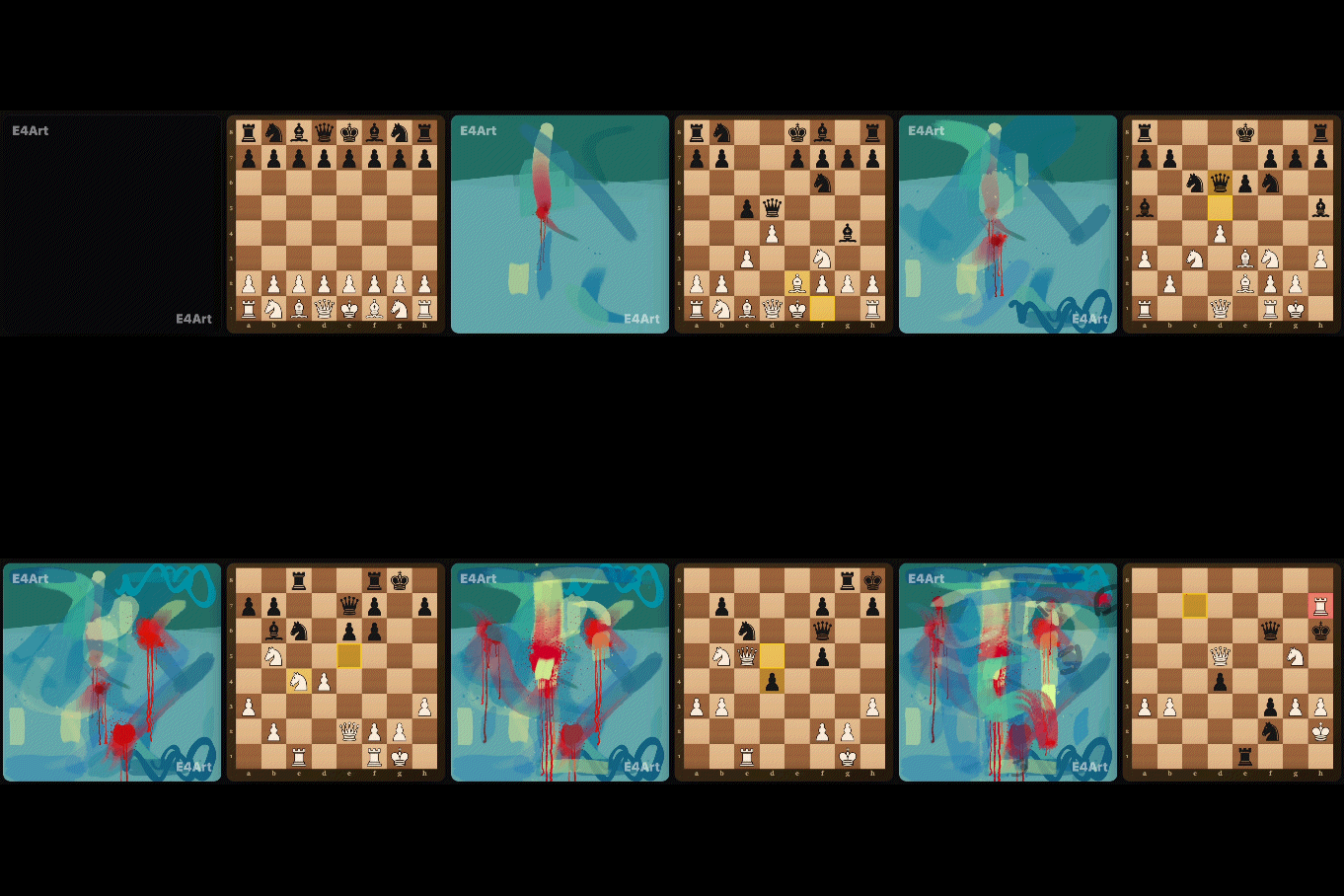
Paste your notation, drop a Lichess link, or upload a screenshot — then press Paint This Game and watch it come alive.
Memorialize your favorite games
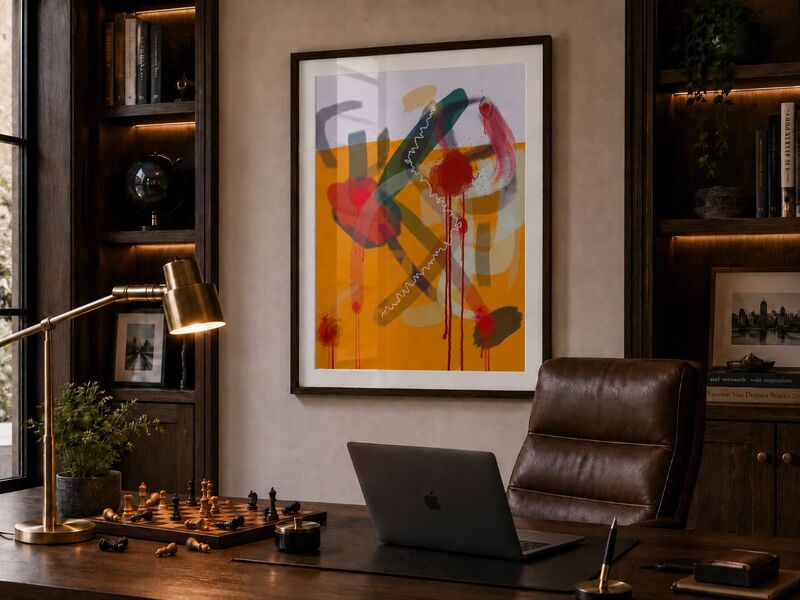
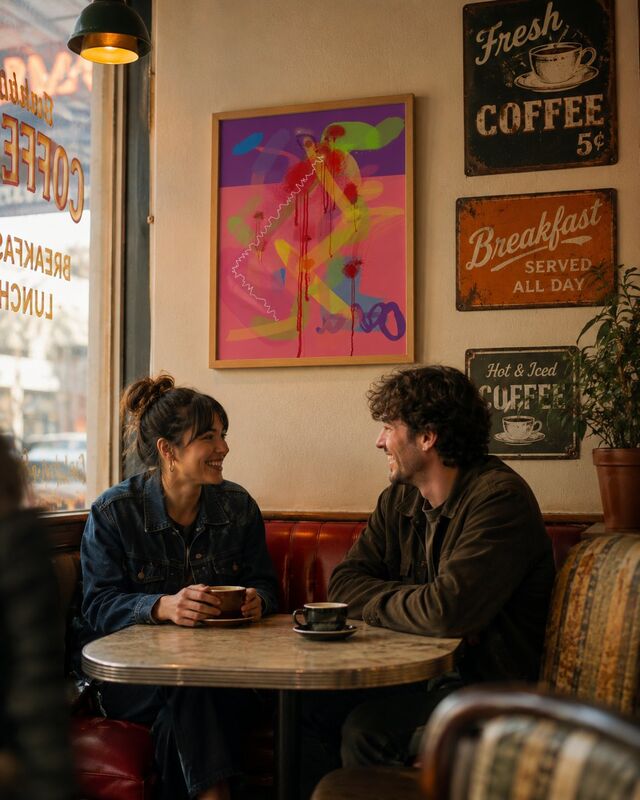
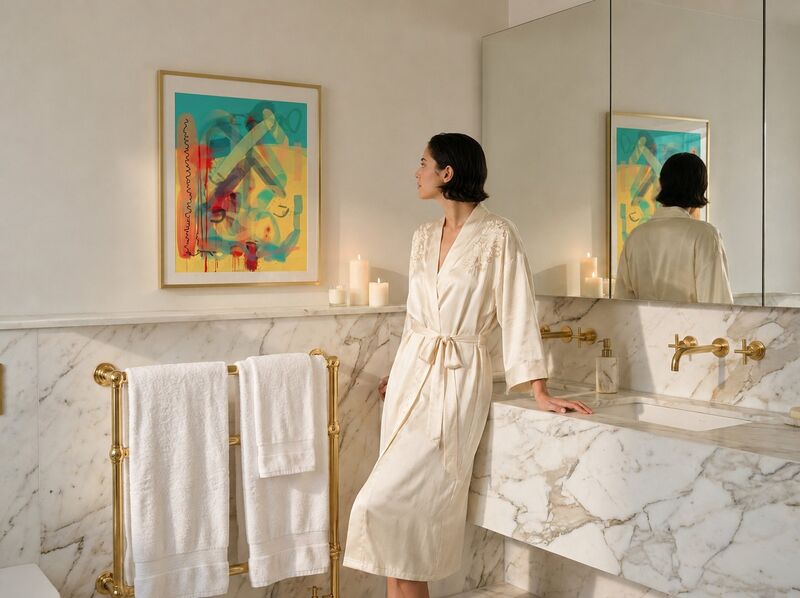
Every painting tells the story of a real game — the brushstrokes follow the moves, the colors live in the pieces. Order yours as a gallery-quality print and hang the game on your wall.
E4Art
Log in to E4Art
Enter your email and we'll send you a one-tap login link. No password needed.
🎁New here? You'll get 500 free ♟ the moment you sign up.
♟️
Sign up to start painting
Sign up free and we'll drop 500 ♟ into your account — enough to paint your first game and unlock watermark-free downloads.
♟️
You're out of Pawns
Each painting costs 75 ♟. Grab more to keep turning games into art.
✨
Download Watermark-Free
♟ are spent only when the file is created.
Choose your video layout:
♟️
Get more Pawns
Pick a pack. You'll be taken to a secure checkout.
🎁New here? Sign up free and get 500 ♟ — no purchase needed.
🎨
Recolor your painting
Pick a palette — your painting will be redrawn in those colors. Costs 25 ♟. Takes about a minute.
🖼
Order this as a print
We'll send your painting to our print partner. You'll see mockups in your selected style and finalize your order on our store.
Enter chess notation on the left, then click Paint This Game
Live Board
Ready to paint.
Move Log▼
Begin painting to reveal the move log...
About This Painting
Narrated by Eda
▼
Paint a game and Eda will narrate the artistic interpretation.
Finish painting a game to see the artistic interpretation.
0:000:00
Color Palette Harmony▼
Hover, tap, or click a color to see its name.
Customize Your Painting▼
Export High-Res Masterpiece
🖼 My Gallery
Paint a game and save it — your masterpieces appear here.
🎨 Name This Painting
Type your own or pick from the generated titles below
✨ Composing titles…
FAQ + Artistic Translation Key
Is this randomly generated art?+
No. E4Art translates the chess game you enter. It reads the notation, calculates each move, then turns the piece type, start square, landing square, direction, distance, capture/check/checkmate status, castling, and game ending into visual decisions. The result is expressive and painterly, but it is still tied to the moves of the game.
Who is Eda?+
Eda is the artist voice behind E4Art: E + D + A, where D is the 4th letter of the alphabet, so Eda stands for E4Art. In the Artistic Read, Eda explains the visual choices in first person, like a real artist describing why a move became a specific stroke, color, texture, or mood.
What does E4Art actually do?+
E4Art turns a real chess game into a live digital painting, a move-by-move interpretation log, and exportable artwork. You can paste PGN, choose a famous game, select a canvas ratio, watch the game paint itself, replay the process, and download the finished piece with E4Art watermarking.
How are strokes mapped to the actual chessboard?+
Each stroke begins from the move’s starting square and is aimed toward the landing square. The mark is not meant to be a rigid arrow; it can bend, wobble, stretch, taper, or splatter so it feels like art. But the direction, distance, and piece behavior still come from the chess move.
Rules Key: chess actions → brush actions+
Every mark starts with the chess move. E4Art is not random paint. It reads the piece, color, starting square, landing square, direction, distance, capture value, check/checkmate state, castling, promotion, and final result. Eda then translates those chess facts into brush size, stroke path, texture, opacity, splatter, symbols, and color mood.
Foundation moves are White’s first move and Black’s first move. Those two opening strokes overlap because they are the first structural decisions of the game: the two broad passes that lay the foundation of the entire painting.
Piece identity changes the mark. Pawns are compact and grounded; Knights jump with broken or hooked rhythm; Bishops lean into diagonals; Rooks feel heavy along ranks/files; Queens spread wider influence; Kings feel guarded and weighted.
Move direction controls the stroke path. A Rook across a rank pulls horizontally, a Bishop pulls diagonally, and a Queen can move like either. The paint can wobble or curve, but the mark still comes from the move’s actual start and end squares.
Move distance affects reach. Longer Bishop, Rook, and Queen moves usually stretch farther. Short King and Pawn moves stay more contained unless they capture, check, promote, or end the game.
Captures create red impact splats at the landing square. Splat size is tied to the captured piece’s value: Pawn = smallest, Knight/Bishop = medium, Rook = large, Queen = largest. Drips keep the exact same red shade and opacity as the splat that created them.
Capture opacity follows the capture rule: most capture splats are lighter, while a smaller percentage hit darker and harder. The captured piece’s value can make the impact feel larger, heavier, or more dramatic.
Checks add an abstract eye symbol near the landing square because the King is being watched and forced to answer. The eye is not a literal drawing; it is a pressure symbol.
Checkmate becomes the final verdict stroke. It uses a smoother lightning-bolt style line. If White wins, the final verdict line is white. If Black wins, the final verdict line is black.
Castling is a special King move. It becomes one thick, solid, swirly, hooked mark because the King and Rook shift together into safety.
Pawn promotion adds a loose golden burst at the end of the promotion stroke. It varies between yellow and deep gold, with opacity from 25%–80%, to show the Pawn becoming something greater.
Foundation movesWhite’s first move and Black’s first move become two broad overlapping passes: the opening marks that lay the foundation of the painting.
Move pathThe stroke may bend or wobble, but its direction still comes from the move’s actual squares.
CastlingA single thick hooked swirl shows the King and Rook shifting together in one move, tucking the King into safety while the Rook activates.
Check eyeAn abstract eye appears on check because the King is under direct watch.
CheckmateThe final smoother lightning line is white for White wins and black for Black wins.
PromotionA loose golden burst marks the end of a Pawn promotion stroke.
Why do strokes curve, wobble, or exaggerate?+
Because E4Art is translating motion into painting, not drawing a technical chess diagram. Most strokes get some hand-drawn life: a slight curve, crookedness, wobble, or texture. A completely straight mark should be rare.
How does Color Palette Harmony work?+
The Color Palette Harmony strip shows the palette generated for the current game. Hover over or tap a color to see its closest poetic color name and hex value. Those exact color names are also used in the Artistic Read when Eda explains color choices.
What do downloads include?+
PNG, JPEG, MP4, and share exports include a patterned E4Art watermark that says E4Art with the slogan “Turn any Chess game into Art.” The export is based on the selected canvas ratio and the completed painting.
How should I read the Artistic Interpretation Log?+
Each move has a battlefield description and an Artistic Read. The battlefield line explains what happened on the board. The Artistic Read explains why Eda chose that brush behavior, color feeling, stroke shape, splatter, texture, or visual mood for the move.
Can the same game feel different with different narrators?+
Yes. The chess-to-art translation stays tied to the same moves, but the narrator changes the explanation style: poetic, entertaining, or captivating.